Power of Visibility: Somatic Understanding with Steeds for Stress And Anxiety Alleviation
The gelding's ears flick towards the gravel course prior to I listen to the car door close. He breathes out, long and low, after that squares his feet and waits. My client, a software application job manager that when swore she had "no time to really feel anything," steps with eviction and quits twenty feet from him. Her shoulders live somewhere near her ears most days. Not right currently. She drops her stare, softens her knees, and mirrors his exhale. By the time she takes three slow-moving advances, the muscular tissues along her jaw finally unclench. This is what visibility appears like in a field: 2 nerve systems discovering to trust the minute, one breath at a time.
Horses do not read your to‑do list, your calendar, or your e-mail tone. They review your body. They observe the mini stress you lug into a space and the solidity you build as you show up. That immediacy is the heart of equine‑facilitated health and why many individuals discover equine‑assisted services a useful friend for anxiety relief, anxiety assistance, and sensory policy. If you have actually attempted talk‑only strategies and won more insight than modification, working with an equine can help you feel your method right into a brand-new pattern as opposed to talking about one.
What somatic learning really means in a steed arena
Somatic learning is body‑first learning. You track interior sensations, test new micro behaviors, and discover exactly how your system shifts. In the context of equine‑assisted activities, the horse functions as a responsive mirror. Your breath changes, his breathing frequently alters. Your steps organize, his focus organizes. Your limit firms up, he quits crowding your space.
An easy example: you bring a history of rushing. You come close to a horse swiftly, eyes secured on his face, breath shallow. He averts or goes back. You stop, soften your look, let your breath deepen, and turn your body thirty levels to minimize pressure. He blinks, licks, and steps towards you. The comments is prompt and symbolized. No lecture required. The discovering stays in your legs and lungs.
Unlike a gym exercise or a totally cognitive skill, somatic healing with equines occurs via co‑regulation. Equines are victim pets with extremely tuned nervous systems. They get refined shifts in your posture, breathing, and interest, and they respond in kind. That common modification gives you a living biofeedback loophole. You do not require to strap on sensing units to know you have actually shifted, although some programs do measure heart rate variability to enhance understanding. You can feel it in the method a steed's rib cage broadens under your hand when your own breath settles.
Why steeds aid when tension sticks
In high stress, your focus tightens, your breath obtains tight, and your body gets ready for action. It is efficient in a situation and expensive if it transforms persistent. Much of my clients get here after months or years of running as well hot, resting too little, and living in their heads. Equines attract you back to the here and now due to the fact that you can not phony calmness in a paddock. A steed understands what your body is doing prior to you do.
Several elements make the sector a specifically tidy learning setting for stress and anxiety alleviation:
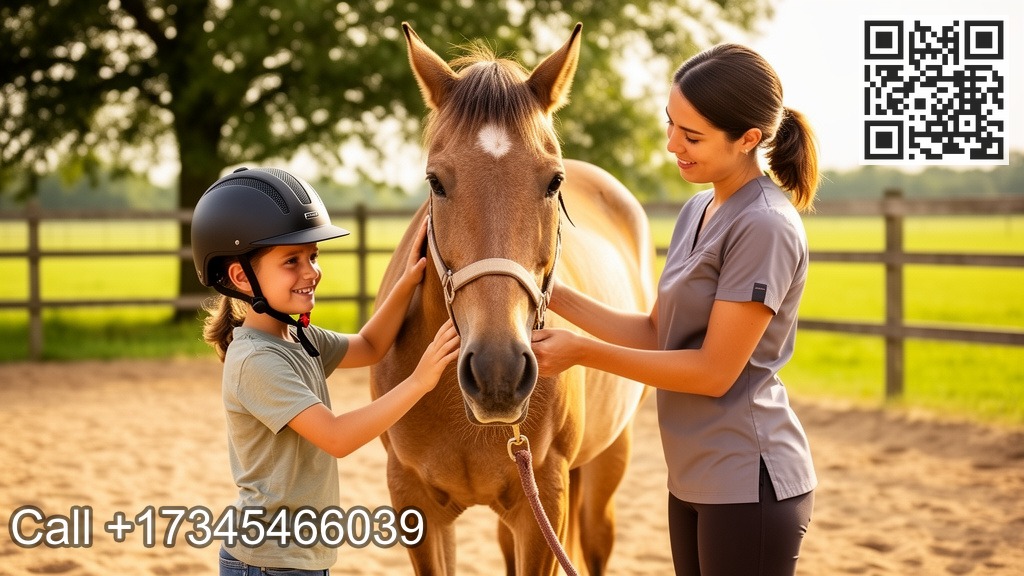
-
Herd characteristics award clarity. Horses invest their days reviewing objective and power to remain risk-free. If your signal is mixed, they will certainly move away or think twice. Clear, coinciding cues welcome link. You feel what clarity does, not just why it matters.
-
Physical space adjustments your options. Dealing with the ground with a 1,000 extra pound pet reminds your body that little signals have genuine effect. You do much less and observe even more. The comparison with your everyday rush stands out.
-
Ritual assists your nerves get here. Grooming, haltering, and leading come with their very own pace, structures, and appears. The brush on a layer, the rasp of a curry comb, the warmth under a hand, these sensory anchors are invaluable for individuals that have a hard time to settle.
The science behind all this is creating, and careful programs adhere to what can be observed and determined. We do see useful adjustments: steadier breathing, enhanced pose, better rest reported the evening after sessions, and simpler recovery from spikes in anxiety. Some groups make use of wearables to track heart rate irregularity and resting heart price prior to and after sessions. Others rely upon client‑reported scores and behavioral pens like less disturbances in meetings or less jaw squeezing during a commute. The information will certainly not tell your entire tale, however it can validate what your body already knows.
A little tale of one session
Maya, a secondary school educator with a history of panic on active mornings, enrolled in six sessions of equine‑facilitated coaching. On day one, she might not keep eye contact for more than a second, and her breath barely moved her ribs. We started at the rail of a 60 by 120 foot field, 5 strides from a chestnut mare called Gigi.
I asked Maya to count her steps as she strolled towards the mare. At step 4, Gigi raised her head and took one go back. Maya froze, persuaded she had done something wrong. She had not. She had actually just walked like she was late. We repeated the technique with a different emphasis: soften the stare, breathe reduced, and let the feet land with weight. Same four actions, various interior rhythm. Gigi's head decreased. She exhaled. Both of them stood still.
By week 3, Maya could lead Gigi over a series of ground posts without rushing. She had exercised a little time out at each pole, an audible breath, and a tiny glance back to acknowledge her companion. By week 6, Maya described making use of that same pause at her classroom door. She touched the handle, breathed out, broadened her attention to feel her feet, and entered with a stable voice. Nobody in the area recognized she had been practicing with an equine, however her trainees noticed the distinction. Less snap. Much more ease.
The skills that carry over
People come for anxiety relief and entrust to a handful of resilient skills. I seek five that forecast good transfer to day-to-day live: grounding, pacing, boundary quality, recovery, and concentrate shifting.
Grounding starts with your feet. On irregular field footing, you can not stand like a statuary. You flex your knees, allow your weight travel through your heels and toes, and feel the ground give and hold. That feedback decreases the floaty sensation numerous anxious clients report. We practice 2 to 5 mins at the beginning of each session, typically while the steed grazes near us.
Pacing is visible. Attempt to lead an equine with a slim space at your office‑hallway speed and view what occurs. Most steeds hesitate or stop. Slow your walk by 10 to 20 percent, take a breath out as you get to the limit, and see just how easily they travel through. That kind of embodied pacing aids with doorways, elevators, and critical conversations.
Boundary clearness turns up in personal area experiments. You discover to claim a circle of comfort without hostility. Go back if the steed crowds you, after that invite them in with a hand signal and a breath. People often report later that they could ask for a seat adjustment on a congested bus or step back from a pushy colleague without apology.
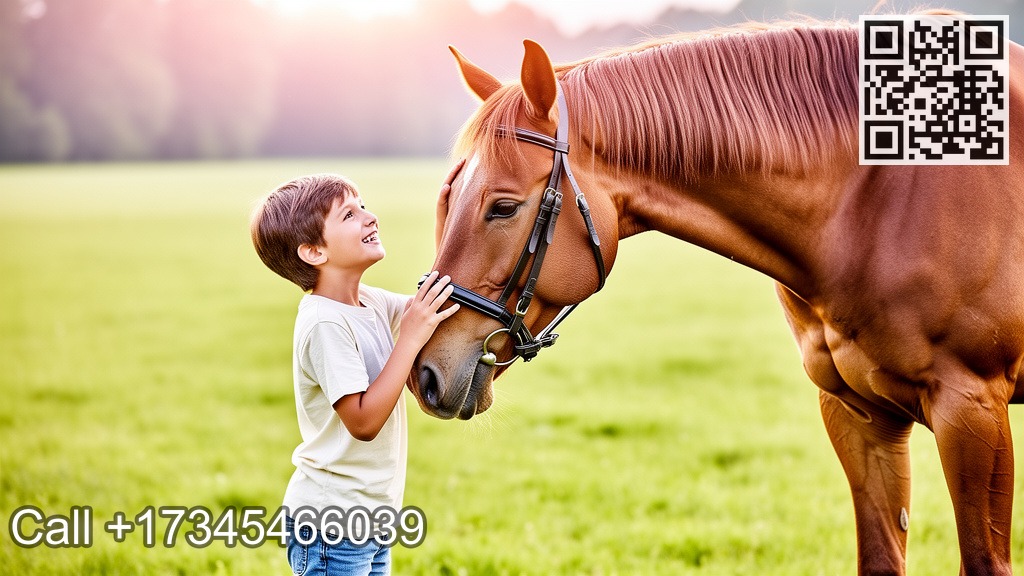
Recovery is the nerves art of going back to consistent after a spike. In the sector, a loud noise happens or a horse surprises you with a sudden head shake. You really feel the shock. Rather than pressing on, you mark it. Hand on belly. One longer exhale. Look to a set point on the fence. Within ten to thirty seconds, you can feel on your own resolve. That capability to sign up, tend, and return to translates to parenting, management, and website traffic jams.
Focus changing is a learnable ability. Equines instruct you to widen and slim interest at will. You check the setting to remain safe, after that you soften your eyes and concentrate on the hoof you are choosing. At the workplace, that becomes the distinction in between remaining stuck in hypervigilance and choosing a single job for five minutes.
A straightforward arrival routine you can borrow
- Put both feet down and allow your knees unlock.
- Exhale gradually with the mouth, as if misting a mirror.
- Widen your eyes sufficient to see left and right without relocating your head.
- Let your arms hang and discover the weight in your hands.
- Name one sound and one sensation you can really feel appropriate now.
I instruct this at eviction, before anybody touches a lead rope. If a session not did anything else, this five‑part reset would still deserve the trip.
Who benefits and exactly how programs adapt
Equine assisted services cover a large period, from restorative horsemanship to equine‑facilitated coaching. For stress and anxiety relief, people usually fall under three groups.
Adults managing persistent tension or stress and anxiety want an area to practice law without displays. Procedure typically include grooming and leading, with installed job optional. Anxiety support with equines concentrates on orienting, breath, and paced exposure to mildly triggering tasks, like asking an equine to back 3 actions and after that pause.
Teens and adults with interest distinctions value how experiential understanding with steeds anchors focus. ADHD equine discovering assistance uses short, clear jobs with prompt responses. Assume 90 secs of halter practice, then a movement break and a fast reset. We have fun with exterior framework - cones, posts, rails - to help interior structure emerge.
People on the autism range or with sensory handling differences benefit from the reputable rhythms of barn life. An autism equine discovering program may lean on predictable sequences, regular regimens, and cautious focus to sensory tons. One customer used a heavy vest and ear protectors for the first three sessions while we brushed outside, after that slowly relocated inside your home. We tracked tolerance to seem, tactile input, and distance to the horse, relocating at the customer's pace.
Edge situations matter. Severe allergies to dander or hay can complicate sessions. A history of considerable injury may ask for an accredited therapist on the team and a slower progression. If a person has uncontrolled seizures or active psychosis, groundwork near steeds might not be safe. An honest intake conversation secures everyone.
Sorting the hodgepodge: what different solutions actually do
The area utilizes a great deal of overlapping terms. A quick overview can help you pick the best door.
Therapeutic horsemanship generally means skill‑based communications with horses that have restorative outcomes. You learn horsemanship jobs like brushing, leading, and occasionally riding, with adaptations as required. The instructor focuses on security, ability, and confidence.
Equine assisted tasks is a broader classification that consists of ground skills, placed tasks, unmounted mindfulness, and barn chores. Programs might serve youth groups, experts, or company groups. Objectives can range from social abilities to sensory integration.
Equine helped mentoring and equine‑facilitated mentoring focus on personal or expert growth. The instructor overviews reflection and habits change through structured workouts with horses. Tension alleviation, interaction, leadership presence, and values placement show up here.
Equine promoted wellness blends training and psychological health and wellness support. Some programs include a certified psychological wellness specialist who co‑facilitates with an equine specialist. This layout is excellent if anxiety or trauma plays a central role and you desire both nervous system work and clinical backup.
Team building with horses makes use of group workouts to highlight interaction habits, clarity of duties, and trust fund. You swiftly see that overdirects, that hangs back, and just how the group navigates uncertainty. The horse's response maintains everyone honest.
These are not impermeable boxes. Quality depends less on tags and more on the training of the human beings in the sector, the viability of the horses, and the quality of your goals.
Safety, training, and values you ought to expect
Horses are huge, sensitive pets. You deserve a program that treats them and you with respect. Seek facilities that maintain clear safety procedures: headgears available for placed job, closed‑toe footwear called for, and gateways safeguarded throughout sessions. Well run arenas established limits on team dimension, usually four to 6 participants per facilitator, and maintain a tranquil herd of 3 to 8 equines ideal for the work.
Ask regarding credentials. Trainers in therapeutic horsemanship often lug qualifications via companies such as course Intl. Or similar nationwide bodies. Professionals in equine‑assisted mentoring may have training in both mentoring and equine habits. If mental wellness needs become part of your goals, seek a qualified specialist in the session or in close cooperation with the equine professional. Good programs also purchase horse welfare. Procedure are paced to stop overwork, horses get routine vet and bodywork treatment, and training approaches prefer low‑stress handling.
Ethically, facilitators ought to work within scope, refer out when concerns surpass their training, and get educated approval. You ought to hear clear language concerning what a service is and is not. For instance, an equine‑facilitated mentoring session can enhance stress and anxiety regulation. It is not a substitute for treatment if you are experiencing extreme depression or a clinical emergency.
What a session looks like, min by minute
Plan on 60 to 75 mins for a private session. Expect a couple of minutes of arrival and settling, after that a warmup like brushing or strolling the rail while tracking breath. We relocate into a couple of focused workouts - possibly halter practice with intention matching, or a limit drill where you ask an equine to stop at a cone and wait. Representation happens around the rail or in a peaceful tack space, and then we close with a brief reset so you leave steady, not stirred up.
Group sessions often run 90 mins to two hours to enable every person time with an equine and with the group. Business group structure with horses usually includes a debrief that links field patterns to workplace dynamics, with clear takeaways and next steps.
Measuring development without obtaining lost in numbers
I like simple steps that align with daily life. Before each session, customers rank their present anxiety from 0 to 10 and choose one body marker to track - jaw stress, stomach fluttering, or shoulder height. After the session, we price once again and make a note of one habits that felt simpler - claiming no, slowing speech, or relocating a steed through a slim space without rushing.
For those that like information, wearables can track resting heart rate and rest quality the evening after sessions. Some programs procedure heart price irregularity throughout foundation to show real time shifts. Use numbers to verify modification, not to chase after excellence. Over 6 to 8 sessions, most people see steadier baseline state of mind, fewer spikes that derail a day, and quicker recuperation when stress and anxiety hits.
Cost, logistics, and what to wear
Fees differ by region and format. Private equine‑facilitated coaching usually ranges from 100 to 225 USD per session. Team rates for team structure with steeds rely on group dimension and objectives but often drop between 900 and 2,500 USD for a half day. Scholarships or gliding scales may be available via not-for-profit centers.
Wear closed‑toe shoes with a strong tread. Miss headscarfs, dangly precious jewelry, or anything that flaps. Wear layers, barns run cooler than offices. If you are scent sensitive, inform your facilitator. We can select quieter pet grooming tools and job outdoors. If you are sound sensitive, ear protection rates. The goal is not to tough it out. It is to discover just how to control with the support you need.
Five concerns to ask prior to you book
- How do you screen and choose horses for this job, and the number of sessions do they do per day?
- What training and accreditations do your facilitators hold, and just how do you handle referrals?
- How do you tailor sessions for anxiousness, ADHD, or sensory sensitivities?
- What does a regular session include, and exactly how will certainly we make a decision when to include or skip mounted work?
- How do you measure progress and secure both customer and horse safety?
Good solutions will be clear and tranquil. If you feel rushed or marketed to, maintain looking.
When stress shows up at work, bring the field with you
After dozens of group offsites in the barn, I have viewed the very same patterns play out: the individual that establishes all the cones alone, the associate who speaks with fill up space while an equine waits on a basic cue, the manager that tries to drag the lead rope instead of inviting activity. The aha minutes are practical. You see that clarity beats quantity. Alignment defeats pressure. And you exercise a sort of listening that does not finish when you leave the pasture.
For leaders, equine‑assisted mentoring develops presence. You find out to signal intent with economy and to deal with without acceleration. Team structure with equines exposes rubbing without blame, turning it right into a common experiment. If your group fights with trust or rate, a mid-day in the sector can emerge the surprise levers - where you rush, where you fold up, where you hold.
Building a bridge back home
An excellent session ends with a bridge. What will you do this night or tomorrow morning that mirrors what collaborated with the equine? We maintain it small and certain. If you located a handy breath cadence, set a reminder on your phone to exercise it three times tomorrow, thirty seconds each. If a hand on your mid back assisted release your shoulders, set it with an everyday job you already do, like waiting on the pot to steam. If limit practice changed just how you asked a horse to stop, create one sentence you can make use of with a relative or colleague - short, kind, and clear.
Barn routines make great home routines. Curry brushes become dishwashing sponges, stable circles that calm your hands. Leading an equine through posts ends up being strolling on your own through a morning series: feet on the floor, drink water, breathe, open drapes, move for two minutes. The content adjustments. The nerves discovers the map.
How programs manage setbacks
Not every session seems like a win. Some days you show up hot from the highway and a mower terminates up behind the sector. Possibly the equine you worked with last week gets on a pasture break. We do not power through. We call what is hard, simplify the plan, and win a little success. If eye contact seemed like way too much, we switch to parallel play - you and the horse strolling the imprison the very same direction a few yards apart. If touch set off alarms, we groom with a long‑handled brush or no brush at all, viewing breath instead.
In my notes, I track these changes as essential discovering. Life seldom hands you the best conditions. Resilience expands when you maintain your routines tiny sufficient to make it through a noisy day.
What horses obtain from this work
People frequently ask if the equines like it. The sincere answer is that it relies on the program. In a healthy and balanced arrangement, equines show indicators of leisure during sessions - soft eyes, lowered heads, chewing and licking, a swing via the back as they walk. They get breaks, turnout with pals, and times off. We select exercises that make sense for every individuality. A curious gelding might prosper on problem tasks with poles and cones. A reserved mare may like silent pet grooming and sluggish leading. When an equine signals no - pinned https://rowanzphf756.wordcanopy.com/posts/emphasis-in-motion-adhd-equine-understanding-support-that-engages-the-senses ears, a limited mouth, a swishing tail that does not match the context - we listen.
This is somatic learning for the whole herd, people consisted of. Approval issues. Timing issues. Rest matters.
Getting started
If this job contacts us to you, begin with a telephone call and a visit. Stroll the barn aisle. See one session if the program allows observers. Satisfy the horse that may partner with you. Notification your breath at the gate. You are not auditioning for a riding group. You are learning to turn up for your own body with aid from a varieties that levels kindly and fast.
Whether you choose therapeutic horsemanship for ability and confidence, equine‑assisted activities for sensory integration, equine‑facilitated wellness for much deeper policy, or equine‑assisted mentoring for management quality, the common string is presence. Stress diminishes in the face of constant focus. An equine satisfies you where you are, requests for harmony, and supplies friendship as you practice.
I have seen executives turn down their volume without losing authority, teens with ADHD find a rhythm that fits, and moms and dads with tired out nerves recover a tranquil voice at bedtime. None entrusted an ideal life. They left with a body that knew the back to facility, a couple of breaths at a time, and the memory of a cozy flank increasing under a steady hand. That is the power of existence. The equine shows you where it lives, after that welcomes you to bring it home.
Happy Hooves Wellness
9177 Gross Rd, Dexter, MI 48130
+17345466039
https://www.hhooves.com/