Rooted in Relationship: Belonging Based Coaching with Horses
On a cool morning, prior to the sunlight warms the field sand, I watch the herd surface morning meal. The old mare noses a slow circle around a fresh hay flake and invites a younger gelding in. No screeches, no pinned ears, simply a soft exhale and a change of weight that claims, You can be here with me. That exchange is the heart of belonging based training with horses. It is not a method even a method of seeing. Individuals come for equine-facilitated health, equine-assisted training, or restorative horsemanship, yet what alters them most often begins with that said silent invitation to share space. Belonging is felt before it is explained.
I have coached hundreds of sessions, from executives doing group structure with steeds to youngsters in an autism equine learning program. The typical string is connection. When belonging is the goal, coaching with equines ends up being much less regarding executing a job and even more regarding finding out to review and respond with treatment. The equine brings genuineness that can not be forged. Whether a person arrives with stress and anxiety that hums in their chest, ADHD that rattles emphasis, or sensory difficulties that make the breeze really feel loud, the herd satisfies them right where they stand.
What belonging resemble in a barn
Belonging with horses is based in authorization, clearness, and uniformity. Horses are social learners. They map safety with predictability, congruent body movement, and the capability to select. A steed that can state no by walking away is additionally an equine whose yes brings definition. In a belonging based method, the equine is a companion and an active communicator. We established the setting so both varieties can reveal choice without penalty.
That typically implies straightforward, concrete changes. We begin unhaltered in a paddock when feasible, after that move to a halter only after a mutual check-in. We offer steeds time to orient to a brand-new human, and we instruct humans exactly how to see a lowered head, a lick and eat, a curious ear, or, just as notably, a tight jaw or a tail clamp that states pause. The goal is not to assess every jerk, yet to deal with the steed overall being with a nerve system that mirrors our own.
With individuals, belonging shows up as option in just how they engage. Some customers favor brushing in silence first, discovering rhythm in sluggish curry circles. Others wish to stroll with a horse free, or method leading with soft hands and clear boundaries. The session adapts, not to spoil, but to regard nerves and build capacity step by step. In this spirit, equine-assisted solutions come to be much less of a food selection and more of a partnership field.
Sorting the language so we know what we are doing
The field uses overlapping terms, which can confuse customers. I often tend to define them in ordinary language so people can select the right doorway.
Therapeutic horsemanship generally entails discovering horsemanship skills, such as pet grooming, tacking, and placed or unmounted exercises, with adjustments for physical, cognitive, or psychological demands. It can enhance equilibrium, control, and confidence.
Equine-assisted activities are organized communications with equines, frequently recreational or instructional, that construct abilities like interaction or problem addressing. Think barrier courses free, or learning to lead a horse with patterns.
Equine-assisted solutions is a broader umbrella that consists of tasks, training, and some clinical services. It comes in many layouts and settings, from farms to restorative riding centers.
Equine-facilitated coaching and equine-assisted training concentrate on personal and expert development as opposed to scientific therapy. These sessions utilize the horse as a responsive companion to light up patterns in management, borders, or relational style.
Equine-facilitated wellness sits in between coaching and mental health and wellness assistance, and in some programs includes collaboration with therapists or bodyworkers. Somatic healing with steeds commonly lives below, where breath, pose, and experience guide the learning.
None of these are equally unique on the ground. A session might begin as experiential discovering with equines and shift right into equine-facilitated training as insight emerges. The integral part is clearness concerning range, objectives, and consent.
Why horses help policy stick
People commonly ask why horses appear to relax them faster than a meditation app or a stroll in the park. Co-regulation is the brief response. Equines are target pets with severe sensitivity to nonverbal signals. They see subtle changes in breath, tension, and interest. When a person settles, the equine typically softens too. When the person climbs right into distressed reasoning, the steed may raise their head, freeze, or tip away. This dynamic feedback loop makes the undetectable visible.
In technique, that appears like paced breathing while a horse matches your cadence at the rail. It looks like a youngster learning to stop briefly prior to pulling, discovering that a slower exhale brings the steed closer. It appears like an executive realizing that the more challenging they press, the much less the equine wishes to adhere to, which mirrors a stressful conference room in the house. These minutes support nervous system knowing in muscle and bone. It is not abstract. It is kinesthetic and immediate.
Somatic healing with steeds https://deanutlp263.evergrovio.com/posts/based-by-hooves-somatic-recovering-with-horses-on-the-ranch does not require an injury narrative to be reliable. It starts with existing moment awareness: feet on the ground, hand on a cozy shoulder, the noise of eating. For clients who carry trauma, this sensory emphasis can be stabilizing. And for those discovering ADHD equine finding out assistance, the body-based tasks provide simply enough movement to involve attention without flooding it.
Safety that builds self-confidence without reducing challenge
Safety is not the lack of risk, it is the visibility of assistance and choice. Equines are big and opinionated. They likewise yearn for good management and clear requests. In a belonging based strategy, we set up the environment to allow actual connection while layering in sensible safeguards.
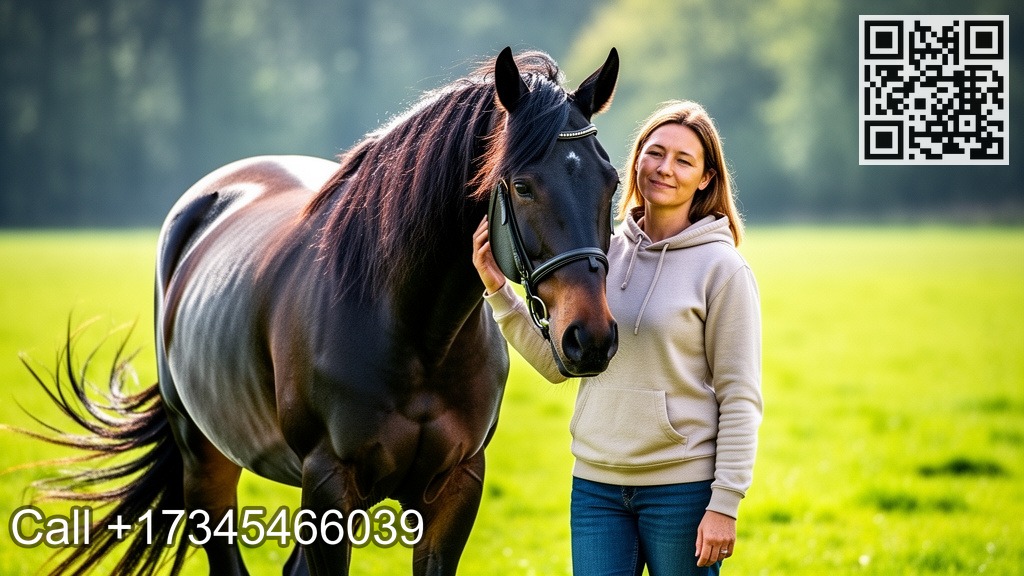
We match equines to customers by character, energy, and history. A 1,200 pound draft cross with a soft eye may be perfect for nervous adults, while a creative pony that loves puzzles aids teens who like interaction over comforting. We maintain fit tack, clear arenas, and regular regimens. We do not place individuals in scenarios where a meltdown, either equine or human, is the only method out.
We additionally show auto mechanics without drama. Brief cause start, after that longer ropes as abilities expand. Hands at the knot, not the snap. Quiet halter modifications with the equine's head reduced. Direct your feet where you want to go, after that welcome the equine to match. These little habits build up. Over a typical 8 session series, I expect to see managing skills advance from tentative to coordinated, and psychological law from fragile to resilient.
A day in the sector, item by piece
An initially session has a various cadence than the 8th. People arrive with stories regarding steeds, some tender, some scary. Our work is to turn the volume down on narrative and up on prompt experience. Right here is a portable variation of exactly how we structure the flow while leaving room for improvisation.
- Arrival and positioning, consisting of a brief walk to satisfy the herd from outside the fence.
- Consent and check-in in plain language, such as, Would you such as to begin with grooming in the cross ties or with a couple of minutes free in the round pen?
- Safety basics woven right into the initial job, like where to stand at the shoulder and just how to notice the steed's bubble.
- A core workout that matches the client's objective, possibly leading through a pattern or practicing tranquility with hand on wither.
- Reflection and combination, tying felt sense to life, then a closing routine such as a thank you scrape at the preferred spot.
That list covers about 60 to 75 minutes depending on attention and arousal. I do not hurry. If the whole session ends up being a lesson in exactly how to slow down a steed's consuming to maintain every person safe in the cross connections, that is not a failure. It is life with horses, and it educates perseverance, timing, and body awareness.
Stories from the rail
M., a 9 year old with a spiky relationship to institution, came of what her parent called Alternative treatment for sensory difficulties. She disliked tags on tee shirts, covers on beds, and the shock of smoke alarm. On the first day she wished to stand behind a gateway and watch. The gelding Zig took 2 actions, then dropped his head to smell her boots. She laughed, then flinched, after that giggled once more. We constructed from that moment.
By week three, M. Was brushing Zig with a blue soft brush, counting strokes out loud. The task provided her just sufficient framework. When the barn ingests dived reduced and she alarmed, we had a straightforward plan for ground: look up at the rafters, press feet into the floor covering, exhale longer than the inhale. Zig's ear snapped back to her each time she allowed air go. After 8 weeks, M. Still disliked emergency alarm, however she had a portable method for shock: orient, ground, breathe out, reconnect. Her parent reported fewer meltdowns around sensory spikes and more confidence promoting for breaks.
On a various Tuesday, an elderly leadership team came for a half day of group building with steeds. We used a freedom exercise called Comply with The Yes. The team required to move an equine via a pattern of cones without touching or rewarding. The first attempt resembled a staff conference with too many e-mails. 4 voices, no plan, a baffled equine that decided to forage in the only spot of clover. We stopped briefly and asked the apparent: Who is leading, that is supporting, and how will the equine recognize? Round 2, one person set instructions, the others developed a border bubble with their bodies rather than sound. The horse walked through the cones on a loose arc, after that paused to deal with the group. The debrief was brief and sharp. They acknowledged the habit of over-talking and under-communicating in their daily work, and they left with one contract: less words, more clearness about role.
For anxiousness support with steeds, a pattern shows up over and over. People take a breath high and quickly when they stress. Equines really feel the shallow breath and respond with alertness. We trying out matters and tempo. Some clients like a 4 in 6 out pattern. Others prefer placing a hand on the horse's side to match the slower equine rhythm. Within two or three sessions, a lot of locate a breath that works for them, and the equine responds in kind, going down the head or leaning in. That co-created speed ends up being a reference point for high risks minutes off the farm, like a job meeting or a hard conversation.
Coaching tools that recognize both species
Equine-facilitated mentoring uses timeless coaching skills, however the steed maintains us truthful. Setting goal matters, yet we specify it in actions we can see and feel, not just hopes. If the goal is better limits, we measure it as, Can you ask the horse to go back without increasing your voice, after that soften and invite them onward again? If the objective is collaboration, we practice handoffs in a leading pattern, observing how timing, stance, and tone influence the horse's determination to adhere to numerous people in sequence.
Curiosity is the various other core tool. As opposed to determining what a habits suggests, we test it. If the horse crowds you at the gate, are you standing in a place that welcomes a closer look, or did the steed discover that pockets mean treats? If you open your shoulders and take a longer action, does the crowding resolve? This spirit of experiment protects the steed from being a mirror for every little thing and shields the individual from over-interpretation.
For customers looking for ADHD equine discovering support, I maintain workouts brief and particular, after that differ them just enough to maintain rate of interest. A 10 min grooming circuit that turns brushes and body zones can construct sequencing abilities. Leading through a pattern that changes every 2 cones sustains working memory and adaptability. The payback is not just focus. It is firm. A client who notifications, I shed track at the blue cone, after that resets without shame is transferring a vital exec feature ability right into daily life.
Belonging and neurodiversity
An autism equine finding out program that focuses belonging is not a one size fits all curriculum. Some customers need predictability most of all. We keep the pattern consistent for several weeks, after that include a tiny adjustment, such as a brand-new brush appearance or a new course to the sector. Others flourish on uniqueness but require clear start and stop cues. We make use of visual anchors, like a colored cone where each exercise begins and ends, along with a straightforward spoken script.
Sensory handling issues for horses as well. A noisy coat, a jangling halter, or a solid scent can be aversive. We problem resolve both instructions. If clipping noise is way too much for the client, we smother with a towel and job further from the barn. If an equine reacts to a wheelchair rolling close, we start at a range and pair strategy with tranquil support, allowing the equine to check out on their terms. Appreciating both nerve systems increases real participation.
What modifications over time
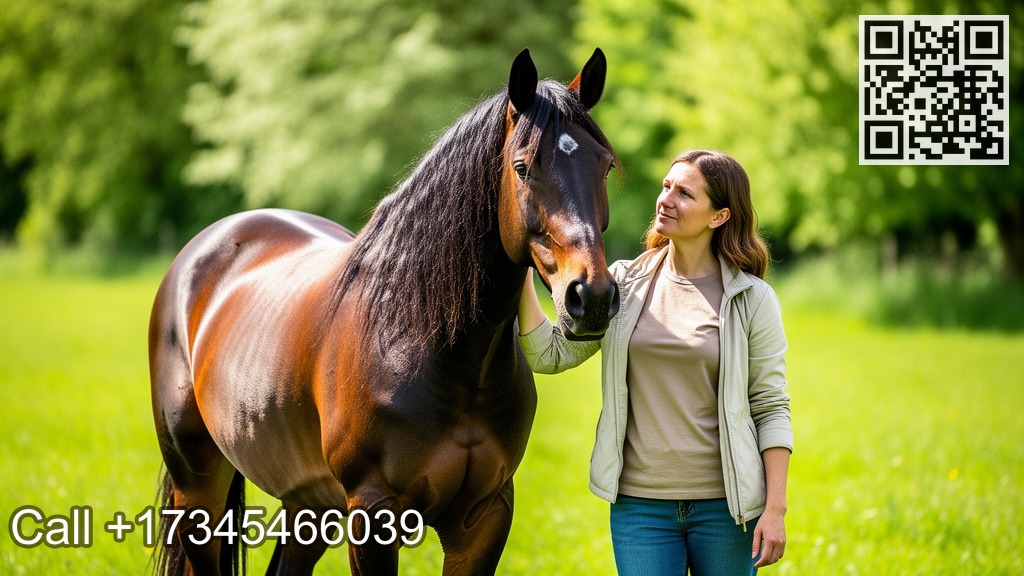
In 8 to twelve sessions, patterns emerge. People get here with shoulders near ears, and leave with a neck that relocates like it remembers how. They find they can claim no to an equine without being mean, and the equine respects it. They really feel an indeed in their breast when the horse selects to adhere to on a slack line, which really felt sense of indeed starts to overview choices far from the barn too.
Teams that experiment horses often tend to revive three little however resilient behaviors. They make one clear request each time. They confirm comprehending with a noticeable habits, not an unclear nod. And they debrief right now when the task ends, while the footprints in the sand still reveal the pattern they walked. These same leaders usually report that conferences run much shorter by 10 to 20 mins, just since they trade chatter for signals that land.
Simple, powerful workouts to attempt with guidance
If you are thinking about equine-assisted activities or equine-facilitated mentoring, 2 foundational methods can show you a lot about your patterns. Collaborate with a professional for security and for the equine's well-being.
- Boundary and invitation at the shoulder: Stand at the equine's left shoulder encountering onward. Inquire to take one go back with a clear exhale and a tiny wave of your fingers toward the upper body. When they step, soften, step in, and incentive with a rub. You will discover where you overdo and where you hesitate.
- Liberty adhere to: In a tiny pen, walk a gentle contour and see if the steed picks to mirror you. Otherwise, pause, soften your gaze, and transform direction. If yes, attempt slowing to a stop and breathing out. Does the horse quit with you, or do you need to invite the quit with a tiny action to the side? Either way, you are currently in a dialogue.
These are not techniques. They are stress and launch in the lightest feasible type, which develops clarity and trust.
Ethics and the steed's experience
Belonging includes the horse. We arrange day of rest so the herd is not asked to hold psychological labor nonstop. We rotate horses so one exhibitionist does not carry every friendly team while a quieter horse never ever obtains a turn with the soft-spoken introverts that might love them. We enjoy weight, unguis, and saddle fit, since physical pain masquerades as behavioral trouble.
I have actually refused sessions when a horse informed me they were done for the day. That selection sets you back revenue in the short term and develops reputation in the long term. Customers who witness us recognizing the steed's no discover to honor their own. They come back due to the fact that they trust the container, not because we assure miracles.
How teams in fact discover with horses
Most teams do not require ropes training courses. They require honest responses that connects to actions, not character. Steeds give that easily. A short format that regularly works in a half day appears like this:
- Warm up with silent leading. Pairs overview a horse through a simple square in silence to reset communication habits.
- Clarify functions, after that complete an unique task, such as moving a herd, 2 equines, from one end of the field to the other with open gates and a couple of disruptive elements.
- Debrief based on what the equine did, not who chatted most. Call the micro-moves that worked.
In this structure, equine-assisted training becomes a practical laboratory. Outcomes show up. The group either relocated the equine safely, or they wreaked havoc. After that they fine-tune and try again. The lessons leave hoofprints, not simply sticky notes.
When steeds are not the answer, and when they are
There are times when a workplace, a center, or a health club is the right place. If a person is really dysregulated, freshly hurt, or terrified of pets, we may begin in other places. Furthermore, if a client desires only riding lessons, we could refer them to a program focused on placed skills. Training functions best when objectives line up with the medium.
That stated, there are patterns where steeds stand out. Individuals that learn best by doing love experiential learning with equines. Those that really feel stuck in talk therapy usually unlock a brand-new door when a 1,000 extra pound pet responds to their silent yes. And for clients looking for an Alternative therapy for sensory challenges, the barn provides a buffet of grounded sensations that can be titrated very carefully. The scent of hay, the heat of a barrel, hoofbeats on sand, the resonance of a contented nicker, all are inputs we can dial up or down.
Getting started without the hype
If you really feel drawn to this job, visit a program prior to you book. See exactly how the team walk around the steeds. Do they reduce at entrances, await the equine to lower the head before haltering, and maintain their voices consistent also when something unforeseen happens? Ask just how they specify extent. If they use equine-assisted services extensively, what does that mean for your objectives? If you need anxiousness assistance with equines, how do they titrate stimulation? If you want equine-facilitated mentoring for management, what does success resemble three months later on at work?
A good program will certainly welcome those concerns. They will certainly talk straight concerning safety and cost and what takes place if the horse says no on a given day. They will be sincere about the difference in between a glossy photo and the actual work of standing in sand, in some cases in the rain, refining your timing until the lead rope seems like a shared language.
The peaceful revolution of belonging
What sticks out after years in the sector is exactly how small shifts ripple. A teen child that could not make eye call with teachers discovers to look at a steed's shoulder to time a demand, after that discovers that the very same soft stare makes individuals really feel appreciated. A manager who avoided conflict learns to ask a steed to support one step, then another, after that progression to welcome the equine into their room again. Limits end up being a dancing, not a wall. A female that never ever trusted her instincts since they had actually been questioned for many years notifications that the mare relaxes each time she follows her very first impulse instead of overthinking. She starts small with family and friends, and the change holds.
Belonging based training with equines is not concerning repairing people. It has to do with bearing in mind exactly how to be in partnership with clearness, kindness, and option. The herd already understands exactly how to do this. We step into their field and, with good luck and technique, we allowed that knowledge form us. When it goes well, the old mare will stroll a slow circle around the human the way she does around hay, then open up a room at her shoulder that states, You can be here with me. That is the lesson worth lugging home.
Happy Hooves Wellness
9177 Gross Rd, Dexter, MI 48130
+17345466039
https://www.hhooves.com/